Seasonal Summer Recipes Using Fresh Zucchini
As summer reaches its peak, gardens and farmers’ markets often overflow with an abundance of fresh zucchini. This versatile summer squash appears in countless varieties, from classic green to golden and even round shapes, each offering a mild flavor and tender texture that adapts well to many cooking methods. Whether you have a thriving home garden or simply enjoy seasonal produce, finding creative ways to use zucchini can transform an everyday ingredient into the highlight of a meal. In this article, we explore a range of approaches—from simple grilling to comforting baked goods—that make the most of zucchini’s natural qualities.
Zucchini’s high water content and delicate taste make it a canvas for a wide array of seasonings and cooking techniques. By understanding how different preparations affect its texture and flavor, you can choose methods that suit your preferences and dietary needs. The recipes and ideas presented here focus on practical, straightforward steps that highlight zucchini’s versatility. Whether you are a seasoned cook or just beginning to experiment with seasonal produce, these suggestions offer a starting point for incorporating fresh zucchini into your summer meals.
Grilled Zucchini: Simple and Flavorful
Grilling is one of the most popular ways to enjoy zucchini during the summer months. The high heat of the grill caramelizes the natural sugars, creating a slightly smoky flavor while maintaining a tender-crisp texture. To prepare zucchini for grilling, start by selecting firm, medium-sized specimens that are free from blemishes. Slice them lengthwise into planks about half an inch thick, or cut them into rounds if you prefer smaller pieces. This allows for even cooking and easier handling on the grill.
Before placing the zucchini on the grill, coat the slices lightly with olive oil and season with salt, pepper, and any additional herbs or spices you enjoy. Garlic powder, smoked paprika, or dried oregano can add depth without overpowering the vegetable’s natural taste. Preheat the grill to medium-high heat and place the zucchini directly on the grates. Cook for three to four minutes per side, or until grill marks appear and the flesh is fork-tender. Cooking times may vary depending on the thickness of the slices and the heat of your grill, so it is helpful to check frequently to avoid over-softening.
Grilled zucchini can be served as a side dish, added to salads, or used as a topping for sandwiches and wraps. For a more substantial meal, consider pairing it with other grilled vegetables such as bell peppers, onions, or eggplant. The mild flavor of zucchini also complements marinated meats or fish, making it a versatile component of a summer cookout. If you prefer a softer texture, you can wrap the grilled slices in foil with a little butter or broth and finish them on the cooler part of the grill for a few additional minutes.
Zucchini Noodles: A Light Alternative
Spiralizing zucchini into noodle-like strands has become a popular way to enjoy a lighter, low-carb alternative to traditional pasta. The technique is simple: using a spiralizer or a julienne peeler, you can create long, thin strips that mimic the shape of spaghetti or fettuccine. If you don’t have a spiralizer, a vegetable peeler can be used to make wide ribbons, which also work well in various dishes.
Once you have your zucchini noodles, there are several cooking options. Sautéing them briefly in a hot pan with a little olive oil and garlic for two to three minutes preserves their crunch and prevents them from becoming watery. Overcooking can turn them mushy, so it’s best to keep the heat high and the cooking time short. Alternatively, you can enjoy zucchini noodles raw in salads or as a refreshing side dish with a light vinaigrette.
Zucchini noodles pair well with a variety of sauces, from tomato-based marinara to creamy pesto or a simple lemon-butter sauce. They also serve as a base for adding proteins such as grilled chicken, shrimp, or tofu. Because zucchini has a high water content, it can release liquid when cooked, which may dilute the sauce. To minimize this, lightly salt the noodles and let them sit for a few minutes, then pat them dry before cooking. This step helps maintain the desired consistency of your dish.
Stuffed Zucchini Boats: Customizable and Hearty
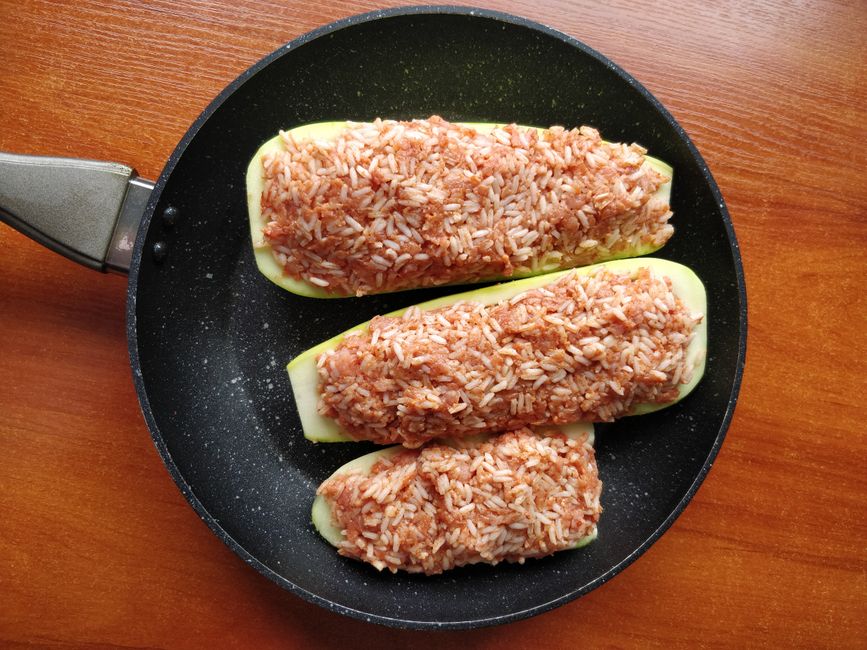
Stuffed zucchini boats offer a creative way to turn this summer squash into a complete meal. The process involves hollowing out the center of halved zucchinis and filling them with a savory mixture of your choice. This method allows for endless variations, accommodating different dietary preferences and flavor profiles.
To prepare the boats, preheat your oven to 375°F (190°C). Slice the zucchini in half lengthwise and scoop out the flesh, leaving a quarter-inch border to hold the filling. Chop the removed flesh and set it aside to incorporate into the stuffing. The filling can include cooked grains like rice or quinoa, ground meat or plant-based alternatives, chopped vegetables, and cheese or breadcrumbs for binding. Sauté the filling ingredients in a skillet until fragrant and heated through, then spoon the mixture into the hollowed zucchini halves.
Place the stuffed boats in a baking dish, add a small amount of water or broth to the bottom to prevent sticking, and cover with foil. Bake for 20 to 25 minutes, then remove the foil and continue baking for an additional five to ten minutes until the tops are golden and the zucchini is tender. The cooking time may vary depending on the size of the zucchini and the nature of the filling. Stuffed zucchini boats can be customized with herbs like basil or thyme, spices such as cumin or chili powder, or a sprinkle of Parmesan cheese before serving.
Zucchini Bread: A Sweet Treat
Zucchini bread is a classic baked good that transforms this vegetable into a moist, flavorful loaf. The secret lies in the zucchini’s moisture content, which contributes to a tender crumb while keeping the bread from becoming dry. When preparing zucchini for baking, it is important to grate it finely and then squeeze out excess liquid. This step prevents the bread from becoming too dense and ensures an even texture.
A basic zucchini bread recipe typically includes grated zucchini, flour, eggs, oil or butter, sugar, and leavening agents such as baking soda and baking powder. Spices like cinnamon and nutmeg add warmth and complement the vegetable’s subtle flavor. Mix the dry ingredients separately from the wet ones, then combine them gently until just moistened. Overmixing can develop gluten and result in a tougher loaf.
Pour the batter into a greased loaf pan and bake at 350°F (175°C) for about 55 to 65 minutes, or until a toothpick inserted into the center comes out clean. The bread should be allowed to cool in the pan for about ten minutes before transferring it to a wire rack to cool completely. Zucchini bread can be enjoyed plain, toasted with butter, or with additions like walnuts, chocolate chips, or dried fruit. It also freezes well, making it a convenient treat to prepare ahead of time.
Zucchini in Salads: Fresh and Crunchy
Raw zucchini can be a refreshing addition to summer salads, offering a crisp texture and a subtle, slightly sweet flavor. Thinly sliced or shaved zucchini can be tossed with a variety of ingredients to create a light, vibrant dish. Use a mandoline or a sharp knife to achieve thin, even slices that are pleasant to eat raw.
One popular preparation is a zucchini and tomato salad with a simple vinaigrette. Combine thinly sliced zucchini, cherry tomatoes, red onion, and fresh herbs like basil or parsley. For the dressing, whisk together olive oil, lemon juice, salt, and pepper, and drizzle it over the salad just before serving. The acidity of the lemon complements the zucchini’s fresh taste and helps to lightly pickle the vegetable, adding another dimension of flavor.
For a more substantial salad, incorporate cooked grains such as farro or quinoa, feta cheese, olives, and chickpeas. The combination of textures and flavors creates a satisfying meal that can stand alone or accompany grilled proteins. If you prefer a creamy dressing, a yogurt-based herb dressing works well with zucchini’s delicate nature.
Zucchini’s versatility extends beyond these common preparations; it can also be incorporated into soups, fritters, and even desserts. The key is to adapt the cooking method to the intended outcome, whether you seek a crisp texture, a soft interior, or a subtly sweet flavor.
Preserving the Harvest: Freezing and Pickling
When zucchini is plentiful, preserving it for later use can help reduce waste and extend the enjoyment of the season. Freezing is a straightforward method that allows you to store shredded or sliced zucchini for use in baked goods, soups, or stir-fries. To freeze zucchini, wash and cut it into desired shapes, then blanch in boiling water for one to two minutes and immediately transfer to an ice bath. Drain thoroughly and pack into freezer-safe bags or containers.
Pickling is another way to preserve zucchini while adding a tangy flavor. Sliced zucchini can be combined with vinegar, water, salt, sugar, and spices such as dill, garlic, or mustard seeds. After bringing the pickling liquid to a boil, pour it over the zucchini in jars and process them in a water bath for ten minutes to ensure safe storage. Pickled zucchini makes a tasty condiment for sandwiches or a crunchy snack.
Understanding these preservation techniques allows you to enjoy zucchini’s summery taste even when the season has passed. The methods described here are adaptable to the quantity you have on hand and can be tailored to your preferences. Whether you choose to freeze for convenience or pickle for a burst of flavor, these approaches help make the most of the seasonal harvest.